

Technology is powerful, but people make it transformative. While most discussions about integrating Microsoft Dynamics 365 Finance & Supply Chain Management (F&SCM) with Azure DevOps focus on technical capabilities and operational benefits, the real story lies in how this integration fundamentally changes how your teams work, think, and collaborate.
At Boyer & Associates, we’ve guided hundreds of organizations through digital transformations, and here’s what we’ve learned: the most successful implementations aren’t just about connecting systems. They’re about connecting people to new ways of working that unleash their potential.
A cultural shift from silos to symphonies
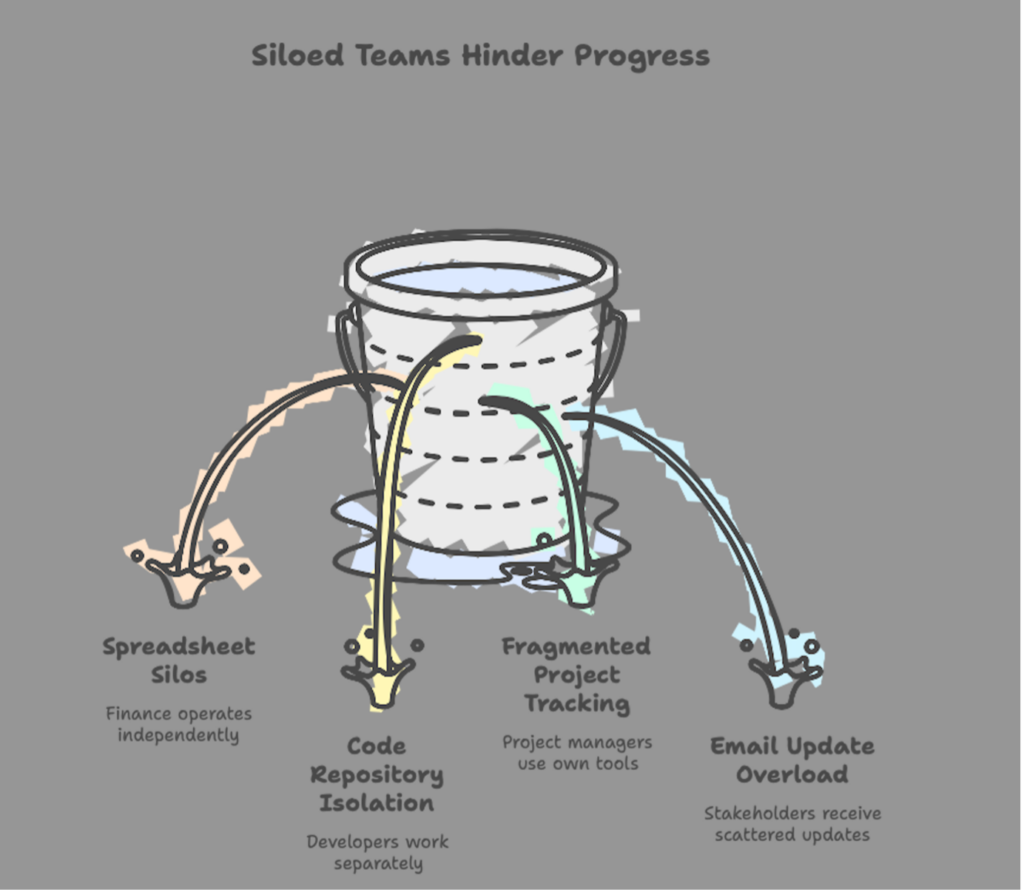
Traditional development environments create invisible barriers. Your finance team works in spreadsheets, developers live in code repositories, project managers track progress in separate tools, and business stakeholders get updates through endless email chains. Everyone’s working hard, but they’re working alone.
Integrating F&SCM with Azure DevOps doesn’t just connect systems—it connects mindsets. Suddenly, your finance analyst can see exactly why that new feature is taking longer than expected. Your developer understands the business impact of their code choices. Your project manager has real-time visibility into both technical progress and business outcomes.
This transparency creates something remarkable: shared accountability. When everyone can see the whole picture, they start thinking beyond their individual tasks to consider how their work impacts the entire organization.
According to research from DevOps.com, respondents belonging to DevOps-oriented teams spend 2 fewer hours communicating each week compared to traditional IT teams, possibly because DevOps fosters better collaboration and keeps development and operations teams in sync with each other. Meanwhile, traditional IT teams spend over 7 hours each week on communication.
In traditional setups, when a critical business requirement changes mid-project, it often takes days or weeks for that information to properly flow through all the stakeholders. By then, development work might have continued in the wrong direction, causing frustration, budget overruns, and finger-pointing.
With integrated F&SCM and Azure DevOps, that same requirement change gets communicated instantly. Everyone sees the impact immediately. Instead of blame, you get problem-solving. Instead of delays, you get rapid adaptation.
Three critical transformations that change everything
Transformation 1: From reactive firefighting to predictive problem-solving
Before integration: Your team discovers issues when users report problems or reports show unexpected results. A typical scenario might unfold like this: Finance notices discrepancies in their monthly inventory valuation report. IT investigates and discovers a data mapping issue introduced three weeks ago. Development creates a fix, but testing takes another week because no one fully understands the business impact.
After integration: Real-time data flows between F&SCM and Azure DevOps and enables your teams to see potential issues before they affect business operations. That same inventory valuation scenario now plays out differently: Automated testing catches the data mapping issue within hours of code deployment. Business stakeholders can see exactly what changed and validate the fix using real data before it affects production reports.
Boyer client result: One manufacturing client reduced critical production issues by 65% and cut average resolution time from 3.2 days to 8 hours.
Transformation 2: From sequential handoffs to parallel collaboration
The old way: Requirements flow from business to IT to development in a linear process where each group works independently and hands off deliverables to the next stage. Changes require starting the process over from the beginning.
The new way: Integrated workflows enable simultaneous collaboration where business stakeholders, developers, and IT operations work together throughout the entire process. When business requirements change, everyone sees the impact immediately and can adapt their work accordingly.
Real example: A distribution company needed to modify their purchase order approval workflow. In their old process, this would have required weeks of requirements gathering, technical specification writing, and sequential development cycles. With integrated F&SCM and Azure DevOps, business users collaborated directly with developers using live system data to prototype and refine the workflow in real-time. The entire change was completed in four days instead of four weeks.
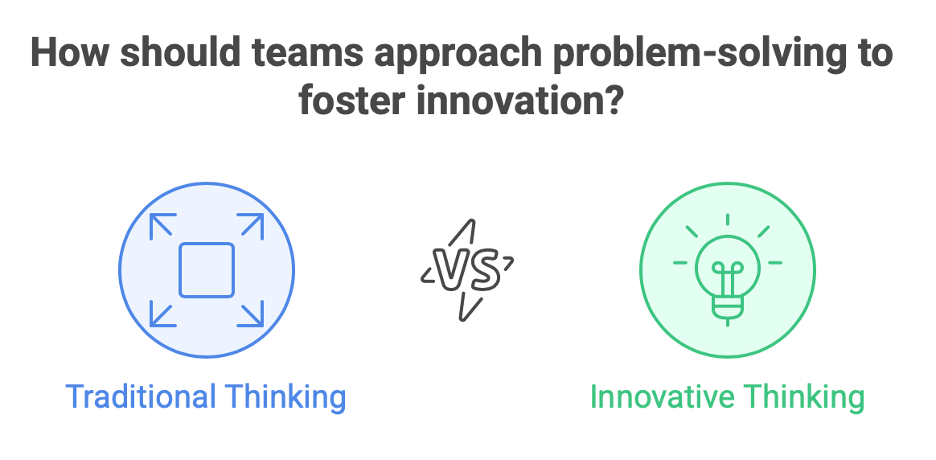
Transformation 3: From guesswork to evidence-based decisions
Traditional development relies on assumptions: Business stakeholders describe what they think they need, developers build what they think was requested, and everyone hopes the result solves the actual problem.
Integrated environments enable data-driven development: Developers can see real business data, understand actual usage patterns, and test solutions against live scenarios. Business stakeholders can validate functionality using their actual data throughout the development process, not just at the end.
This shift from assumption to evidence dramatically improves solution quality and user adoption rates.
Two operational shifts that matter
From reactive development to predictive delivery
Traditional development cycles are reactive. Problems get discovered late, requirements change after significant work is done, and testing happens at the end when it’s expensive to fix issues.
Integrated F&SCM and Azure DevOps workflows enable predictive development. Real-time data flows show you potential issues before they become problems. Continuous integration catches conflicts early when they’re easy to resolve. Business users can validate functionality throughout the process rather than waiting for final delivery.
Boyer’s experience shows that organizations making this shift see 40% fewer critical issues in production and 60% faster time-to-resolution for problems that do arise. This improvement aligns with Google’s DORA research, which found that top DevOps performers restore service after an incident within a day and achieve less than 15% change failure rate, compared to low-performing teams that deploy changes once every several days, weeks, or months.
From project-based thinking to solution mindset
Here’s a fundamental shift we’ve observed: organizations move from thinking about “projects with end dates” to “solutions that continuously evolve.” When your F&SCM system is tightly integrated with your DevOps processes, you don’t just deliver one solution—you build platforms for ongoing innovation.
Your teams start asking different questions:
- Instead of “How do we build this feature?” they ask “How do we build this capability?”
- Instead of “When will this project be done?” they ask “How will this platform evolve?”
- Instead of “Did we meet the requirements?” they ask “How well does this solve the business problem?”
This mindset shift transforms how people approach their work and creates organizations that adapt faster to changing business needs.
What executives need to understand

As a leader, you’re not just implementing new technology—you’re enabling a new way of working that requires different skills, different processes, and different measures of success.
The old model of “set requirements, wait for delivery” doesn’t work in an integrated environment where business stakeholders can see and influence development in real-time. Leaders need to be more engaged throughout the process, providing continuous guidance rather than upfront specifications.
This increased engagement reduces risk because problems get identified and resolved quickly rather than festering until final delivery. But it requires a commitment to ongoing involvement that some leaders find challenging to adapt to.
The change management imperative
Boyer’s experience with successful F&SCM and Azure DevOps integrations shows that the biggest challenge is change management, not technical implementation. The technology works, the question is whether your people will embrace the new ways of working it enables.
Effective change management for this type of integration must address:
Cultural readiness: Are your teams prepared for the increased transparency and collaboration this integration requires? Some people thrive in collaborative environments; others find them overwhelming.
Skill development: The new workflows require new competencies. Business stakeholders need to understand how to provide effective feedback in technical environments. Developers need to understand business context better. Project managers need to orchestrate more complex, multi-stakeholder processes.
Process redesign: Your current processes were designed for siloed work. Integrated environments require rethinking everything from how requirements get defined to how success gets measured.
Measuring success differently
Traditional project metrics focus on technical deliverables: features completed, bugs fixed, deadlines met. Integrated F&SCM and Azure DevOps environments require broader success metrics that capture the human and business impact:
- Collaboration quality: How effectively are cross-functional teams working together?
- Decision speed: How quickly can teams adapt to new information or changing requirements?
- Business alignment: How well do technical solutions address actual business needs?
- Team satisfaction: How do people feel about their work and their ability to make meaningful contributions?
Organizations that track these human-centered metrics alongside technical metrics see 30% better long-term ROI from their technology investments, according to our implementation results. This mirrors broader industry research from Prosci, which shows that projects with excellent change management programs are 93% more likely to meet or exceed objectives.
Why implementation expertise matters

The technical aspects of integrating F&SCM with Azure DevOps are well-documented. The human aspects are where organizations succeed or struggle, and this is where Boyer’s two decades of implementation experience become invaluable.
We’ve learned that successful integrations require understanding not just how the technology works, but how people work. Our implementation methodology addresses the cultural and operational shifts from day one, ensuring that your teams are prepared for the new ways of working these tools enable.
Building internal capabilities
Our approach focuses on building lasting capabilities within your organization rather than creating dependency on external support. We work with your teams throughout the implementation to develop the skills, processes, and mindsets needed for long-term success.
This means your people don’t just learn how to use the integrated tools—they learn how to think differently about collaboration, problem-solving, and continuous improvement. These capabilities compound over time, creating organizations that get better at change itself.
“We don’t just implement software; we implement solutions. Every business is unique, and cookie-cutter approaches fail every time.”
Catherine Dean, President, F&SCM at Boyer
The partnership approach
At Boyer, we understand that technology transformation is ultimately people transformation. Our role extends beyond technical implementation to include change management, skill development, and cultural evolution.With our proven track record across manufacturing, distribution, professional services, and nonprofit organizations, we bring industry-specific insights about how different types of teams adapt to integrated environments. We know which changes are easy to implement and which require careful planning and support.
The integration of F&SCM and Azure DevOps offers tremendous technical benefits, but the real competitive advantage comes from the cultural transformation it enables. When your teams collaborate more effectively, adapt to change faster, and understand how their work contributes to business success, you don’t just get better software—you build a more capable organization.
At Boyer & Associates, we specialize in this type of human-centered transformation. We understand that technology is the enabler, but your people are the key to sustainable competitive advantage.
Ready to transform how your teams work together? Contact Boyer’s transformation experts today. We’ll assess your current collaboration challenges, identify the biggest opportunities for improvement, and create a roadmap that delivers both immediate operational benefits and long-term adaptive capacity.